Research

My research approach is rooted in participatory and emancipatory methods, working collaboratively with transnational Black communities to co-create knowledge that centers the embodied experiences of Black/African individuals—voices often excluded in the global political arena

I am deeply committed to exploring the intersections of gender, conflict, peace, and development processes within transnational Black communities. Growing up in post-colonial Zimbabwe shaped my passion for understanding the lived realities of marginalized voices and ignited my drive to amplify them through my research and writing. Over the past nine years, I have conducted extensive ethnographic research in Zimbabwe, South Africa, Mozambique, and Ghana, where I have explored the intersecting realities that shape gendered disparities in post-colonial states.

My work goes beyond academia, blending theory and practice to challenge hegemonic narratives while creating pathways for inclusive and equitable development.

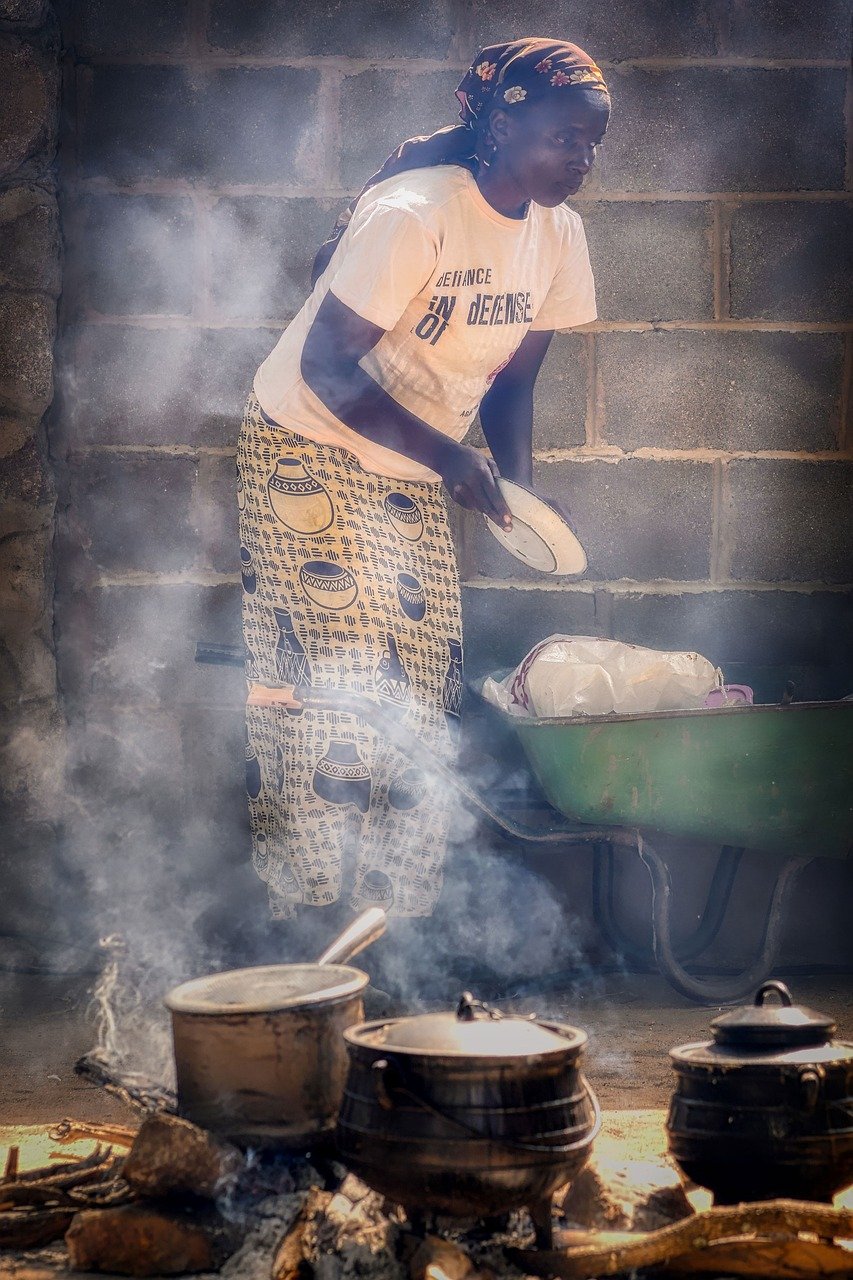
woman, cooking, african, firewood, fireplace, kettle, cooking pot, smoke, kitchen, outdoors, life, lifestyle, zimbabwe, africa, zimbabwe, zimbabwe, zimbabwe, zimbabwe, zimbabwe

Highlights of My Research Career

Throughout my career, I have been fortunate to receive national and international recognition for my contributions to research excellence. In South Africa, I was honored with the Tuks Young Research Leader Award by the University of Pretoria, and the National Research Fund (NRF) recognized me as a Young Promising Scholar. Internationally, the African Studies Association (ASA) awarded me the Presidential Fellowship Award, and my Master’s thesis was shortlisted for the prestigious Africa Thesis Award by the African Studies Centre in Leiden.

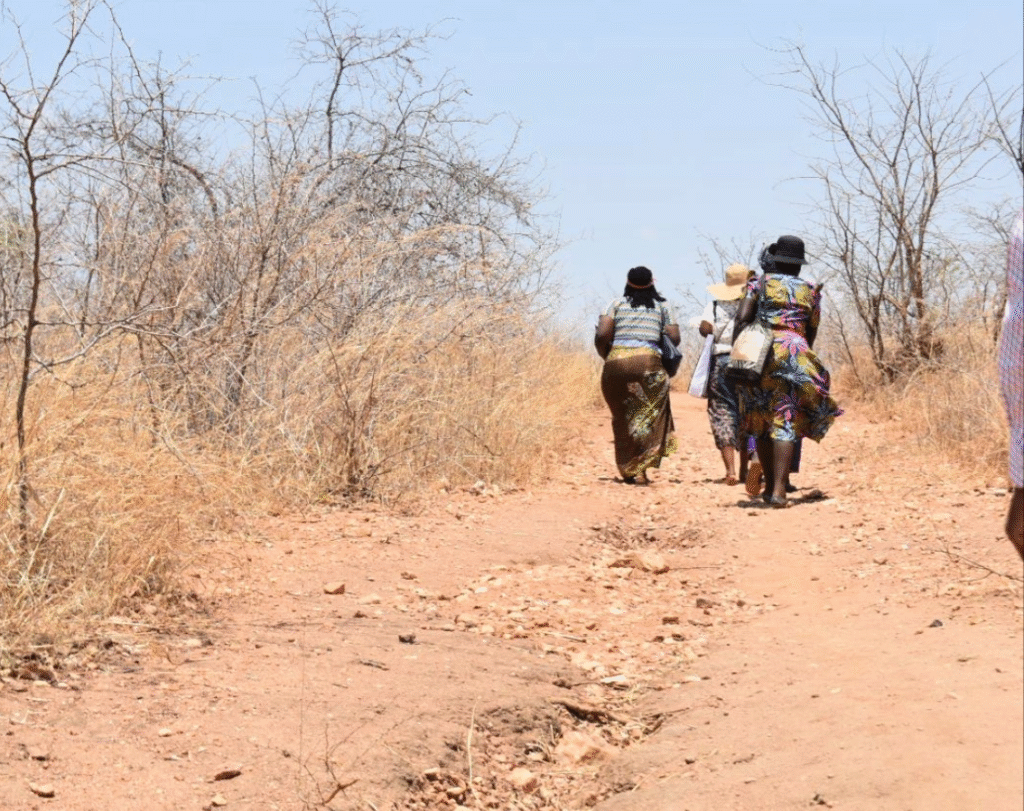
Fieldwork in Zimbabwe
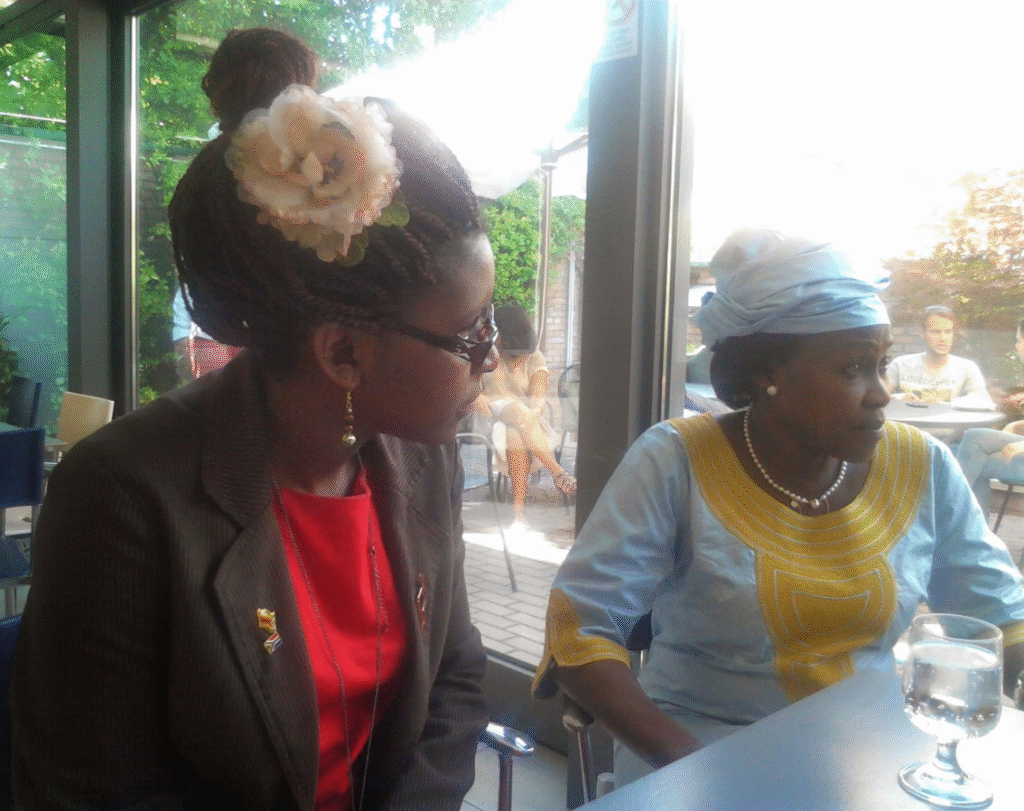
Madam Fatou Bensouda, former prosecutor of the International Criminal Court, 2013
My research has been supported by competitive grants from organizations such as the National Institute for the Humanities and Social Sciences (NIHSS), the Council for the Development of Social Science Research in Africa (CODESRIA), the Social Science Research Council (SSRC), and the York University Black Research Fund. These funding opportunities have allowed me to expand my work and foster meaningful collaborations across the globe.
I have also had the privilege of obtaining visiting fellowships at leading institutions, including the TWAS-DFG Cooperation Research Visits Programme at Philips-Marburg University, the Cambridge University Centre for African Studies Guest Researcher Award, and the Nordic Africa Institute (NAI) African Guest Researcher Fellowship. These opportunities have enriched my perspective and broadened the impact of my scholarship.
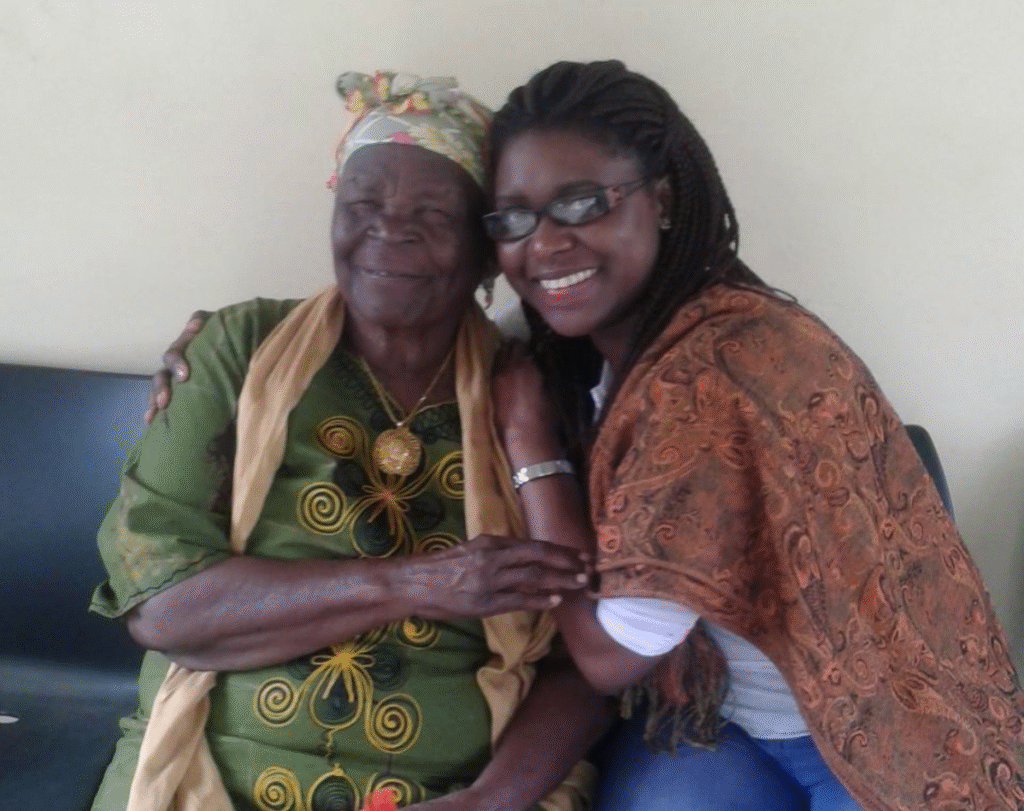
Sarah Onyango Obama, 2017

Engagements on Global Platforms

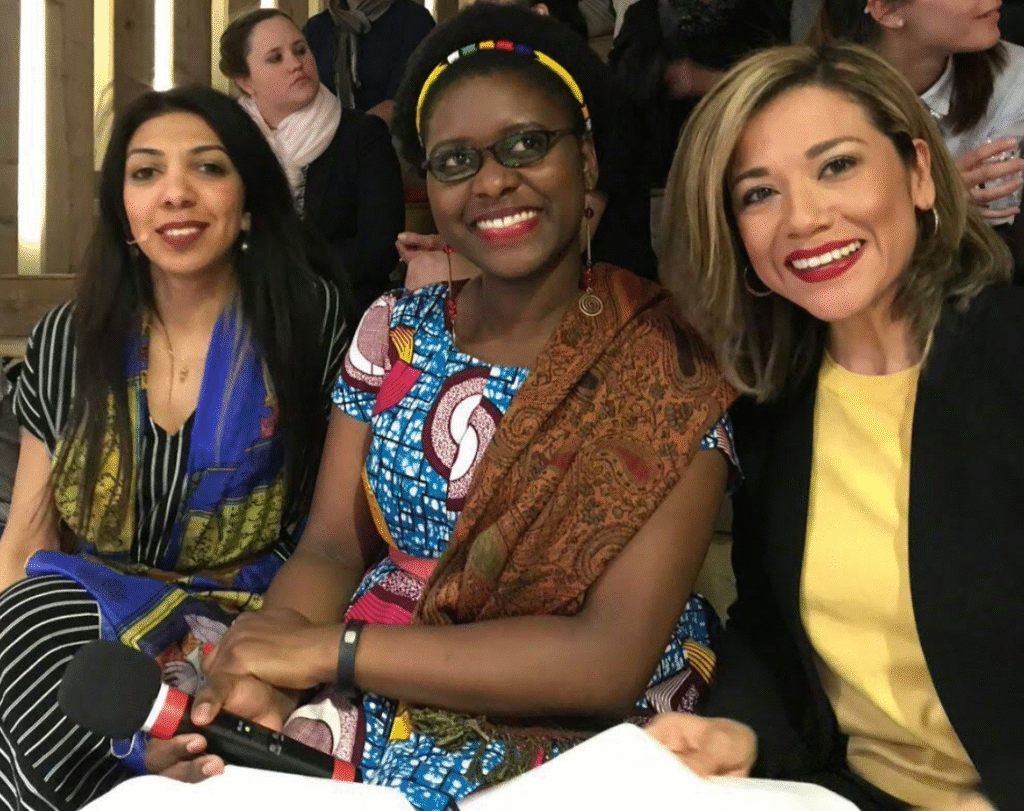
In 2017, I had the unique honor of being invited by Her Royal Highness Princess Laurentien of the Netherlands to her residence. During this visit, I engaged with judicial officers from the International Court of Justice (ICJ) and the International Criminal Court (ICC), as well as Dutch government officials, to discuss peace, security, and development in Africa, drawing insights from my research. This experience culminated in an invitation to present at The Hague Talks, a public platform funded by the Dutch Royal Family, which promotes peace initiatives and research led by Global South scholars.

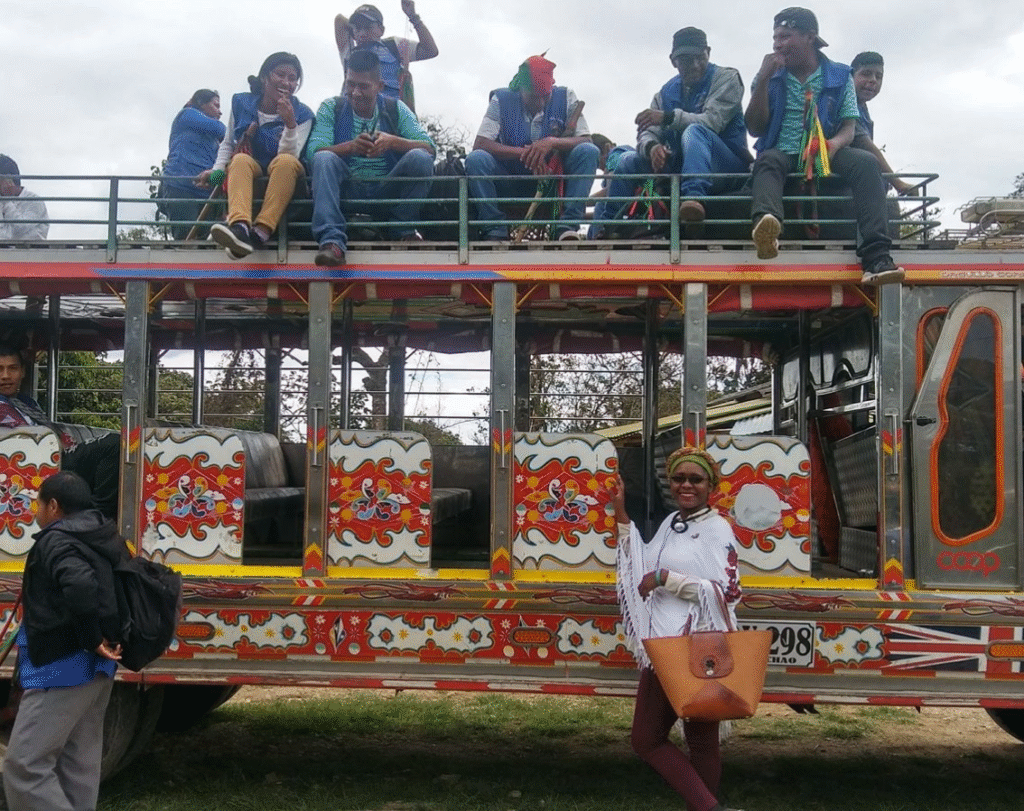
In 2018, I was invited by the Embassy of Colombia as an International Delegate to a conference organized by the Unit for the Victims’ Integral Assistance and Reparation. This experience offered me the opportunity to exchange ideas with global experts on transitional justice and reconciliation, further solidifying my commitment to advancing solutions for marginalized communities.

Speaker at The Hague Talks
Colombia Field trip in 2017

Looking Ahead

I am open to collaborating with stakeholders across the public, private, and nonprofit sectors to address pressing global challenges such as gendered violence, peacebuilding, and sustainable development. Whether through partnerships, community-based projects, or academic initiatives, my aim is to foster inclusive dialogues and co-create solutions that empower individuals and communities.

One of my long-term projects involves an exciting collaboration with emerging and seasoned African artists. Together, we are building a digital repository to present African women’s resistance in the postcolony. This initiative is more than an academic endeavor; it’s a creative, collective effort to preserve and celebrate the resilience, courage, and stories of African women who have fought against systemic injustices.